

Aksum
The obelisks of Aksum
Aksum was the heart of a great trading kingdom more than 1,500 years ago. Its giant stelae, each cut from a single block of granite, still stand in the town today.


Churches carved from living rock, mountains above the clouds, the birthplace of coffee, and a modern capital that shines at night. Welcome to Ethiopia – all in one place.
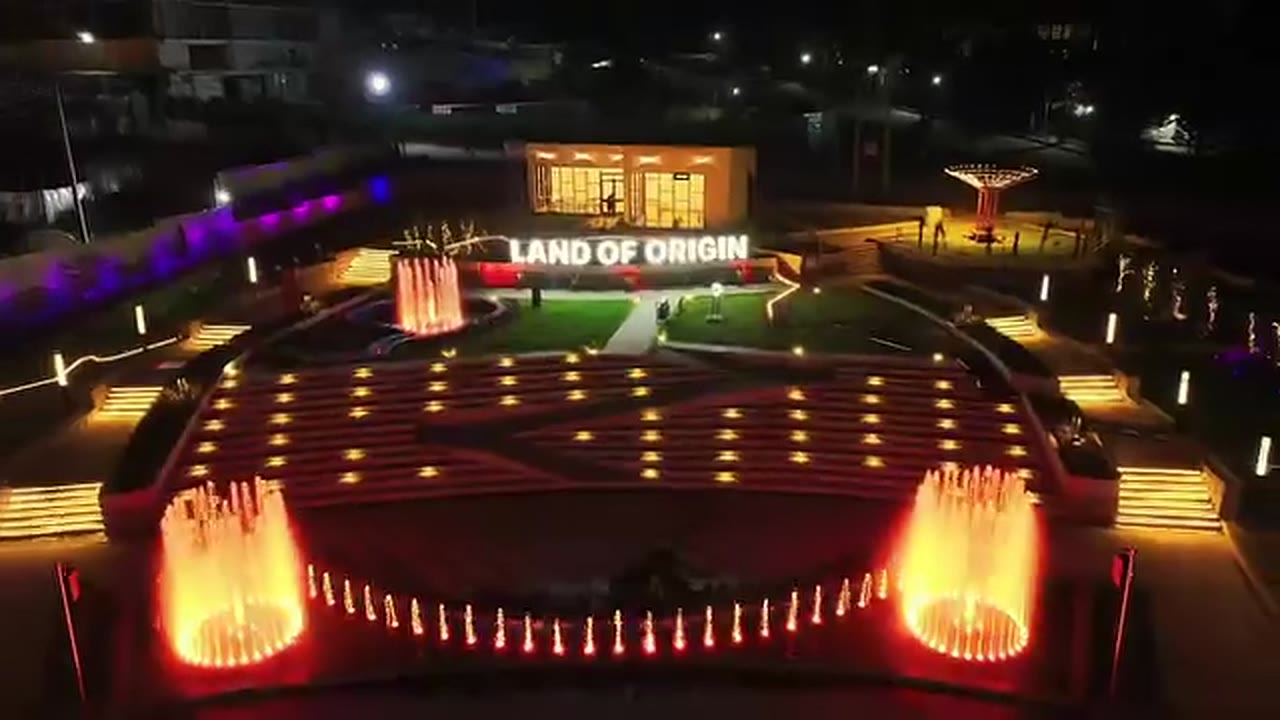
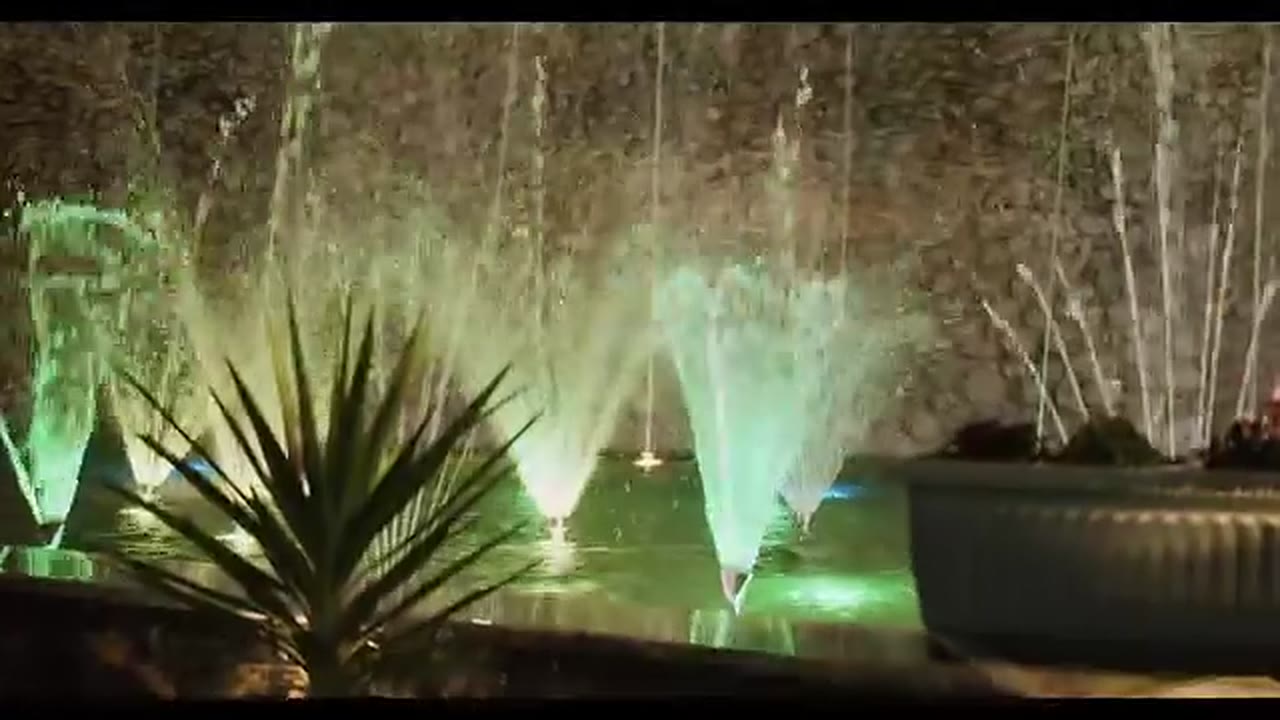
Addis Ababa – “New Flower” – sits more than 2,300 metres above sea level and is one of the highest capitals in the world. In recent years the city has opened new parks and riverside walks, and long corridors of wide pavements, bike lanes and street lights. When the sun goes down, the fountains, gardens and new avenues light up.


Opened in 2019 in the grounds of the historic palace, with gardens, historic halls and a zoo – a walk through Ethiopia’s story.
Also called Sheger Park, this big urban park opened in 2020, with a lake, a big square and fountains that glow in the evening.
On the green Entoto hills above the city: eucalyptus forest, fresh air, walking trails and wide views over Addis Ababa.
New riverside green spaces and city corridors with walkways, bike lanes and lighting make evening strolls a pleasure.
Addis Ababa is home to the African Union – which is why it is often called the diplomatic capital of Africa.
Meet “Lucy” (Dinkinesh), one of the most famous human ancestors ever found, and see art and treasures from across the country.
Ride the city tour bus, look out over the city from a hillside park, dance with visitors at the viewpoint – then watch Addis Ababa light up at night: glowing avenues, parks, fountains and bike lanes.






Ethiopia is one of the oldest countries in the world. It has more than ten UNESCO World Heritage sites – from ancient kingdoms and medieval churches to royal castles and a walled city.
Aksum was the heart of a great trading kingdom more than 1,500 years ago. Its giant stelae, each cut from a single block of granite, still stand in the town today.

Eleven medieval churches, carved down into the rock in the 12th and 13th centuries, are still places of prayer today. Bete Giyorgis, in the photo at the top of this page, is the most famous.

From the 17th century, Emperor Fasilides and the kings after him built castles, palaces and churches in Gondar. People call it the “Camelot of Africa”.

The old walled city of Harar, in the east, is a maze of narrow lanes, colourful houses, markets, mosques and shrines – a meeting place of cultures for centuries. It is a UNESCO World Heritage site.
Found in Ethiopia’s Afar region in 1974, Lucy lived about 3.2 million years ago. In Amharic she is called Dinkinesh – “you are wonderful”.
The Victory of Adwa on 1 March 1896 kept Ethiopia independent. It is remembered with pride across Africa as a symbol of freedom.
Ethiopia writes with its own Ge’ez script (Fidel) and keeps its own calendar of 13 months: twelve months of 30 days and Pagume, a short month of five or six days. New Year falls in September.
High green plateaus, deep canyons, waterfalls, lakes full of birds and a desert of colour – Ethiopia’s landscapes change at every turn.
Sharp peaks, huge cliffs and valleys far below. Here rises Ras Dashen, Ethiopia’s highest mountain, and the Simien Mountains National Park is one of the most spectacular trekking areas in Africa. You can sit among families of gelada, the “bleeding-heart” monkeys found only in the Ethiopian highlands, and look for the rare walia ibex.


Lake Tana, Ethiopia’s largest lake, is the source of the Blue Nile. Its islands hide old monasteries full of colourful paintings, and just downstream the river falls into a gorge at Tis Abay – “smoking water”.
South of Addis Ababa, the Great Rift Valley holds a chain of lakes – Ziway, Langano, Abijatta, Shala and Hawassa – with hot springs, resorts, fish markets and hundreds of kinds of birds.
The Bale Mountains hold the largest area of Afroalpine land in Africa – the high Sanetti Plateau – next to the deep Harenna Forest. It is the best place on Earth to see the Ethiopian wolf, one of the rarest wild dogs in the world.
The Danakil Depression is one of the lowest and hottest places on Earth. At Dallol, hot mineral springs paint the ground yellow, green and orange – it looks like another planet.
Ethiopia is home to more than 80 peoples and languages, each with its own music, dress and traditions. What they share is hospitality: guests are welcomed with coffee, food and a smile – እንኳን ደህና መጡ, “welcome”.

Ethiopia is the birthplace of coffee: Arabica coffee first grew wild in the forests of the south-west. At home, green beans are roasted over coals, ground by hand and brewed in a clay pot called a jebena. Incense fills the room and the coffee is served in three rounds – abol, tona and bereka. It is a time to sit, talk and be together.

The Finding of the True Cross is celebrated with the lighting of the great Demera bonfire, songs and yellow Meskel daisies. Listed by UNESCO as Intangible Cultural Heritage in 2013.

Ethiopian Epiphany fills the streets with priests in bright robes, colourful umbrellas, music and white-dressed crowds. Listed by UNESCO as Intangible Cultural Heritage in 2019.

Soft, tangy injera made from teff is shared from one big plate with doro wat, shiro, vegetables and spicy berbere. Feeding a friend by hand – gursha – is a sign of love.
From the shoulder dance eskista to the krar lyre, the one-string masenqo and the golden sound of Ethio-jazz, music is everywhere.
From the highlands to the lowlands, dozens of peoples with their own languages, dress and traditions live side by side – a rich mix of cultures and faiths.
Visitors often say the people are the best part of Ethiopia. Expect invitations to coffee, help from strangers and a lot of laughter.
Light Travel Agent can help you plan your trip. Tell us what you would like to see and we will help you with the next steps – and with visa questions too.
Ask us about current travel conditions before you book.